

IVR for Pain Management
What Is IVR for Pain?
Interventional radiology (IVR) is a minimally invasive treatment that targets the lesions causing pain, using imaging guidance such as CT, ultrasound, and angiography.
Unlike analgesics and nerve-block injections,
- Treats the root cause of the pain itself
- Minimally invasive (less burden on the body)
- Can be repeated as needed
are defining features of IVR.
Types of Pain Treatable with IVR
Our clinic treats the following types of pain.
Cancer-Related Pain (Cancer Pain)
- Pain caused by bone metastases
- Tumor invasion around nerves
- Compression symptoms caused by tumors
Radiofrequency ablation (RFA) or TAE (embolization) relieve pain
Pain Originating from Bones and the Spine
Percutaneous vertebroplasty (PVP) provides rapid pain relief
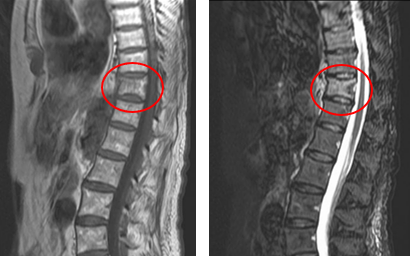
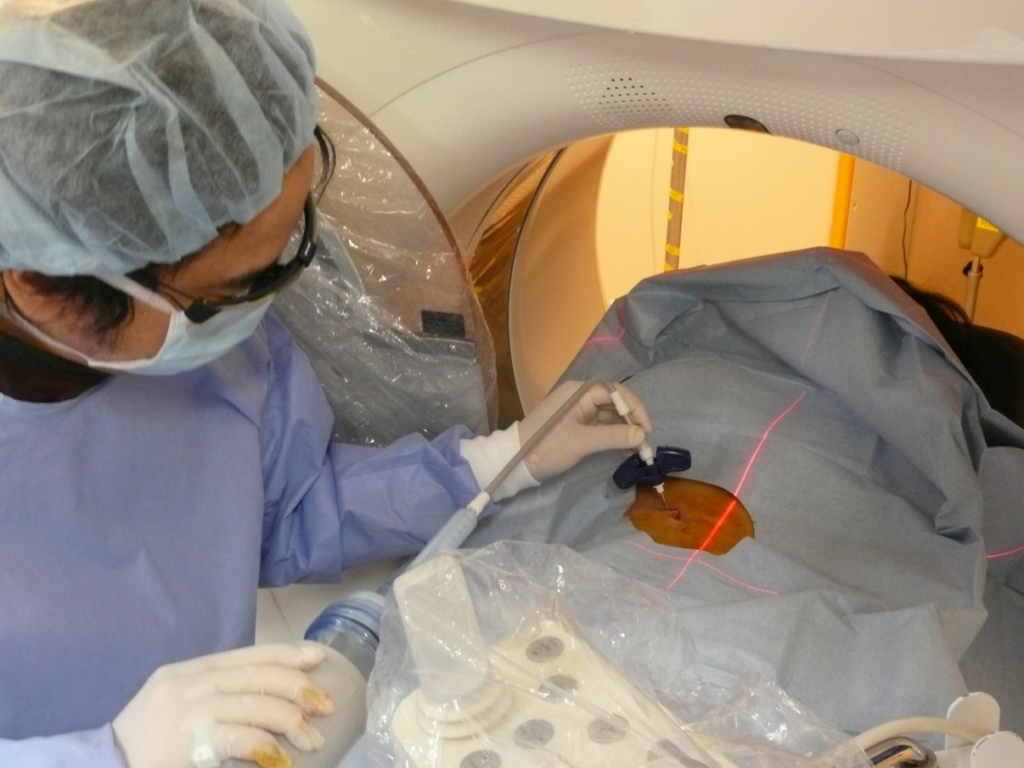
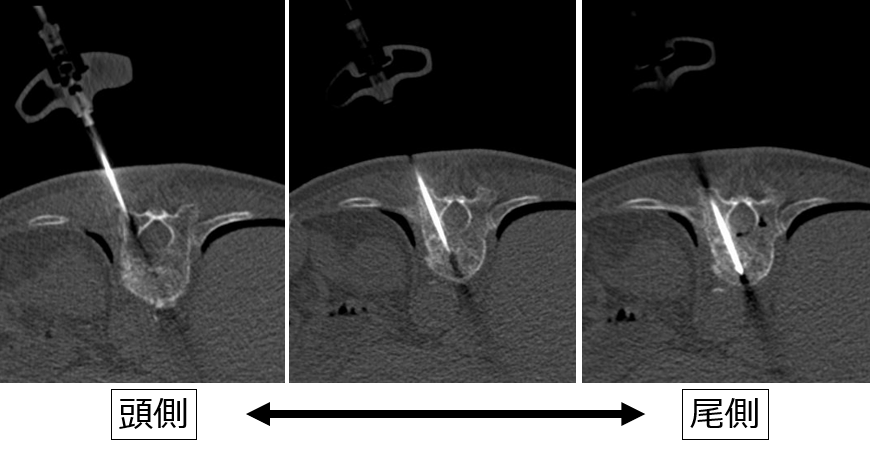
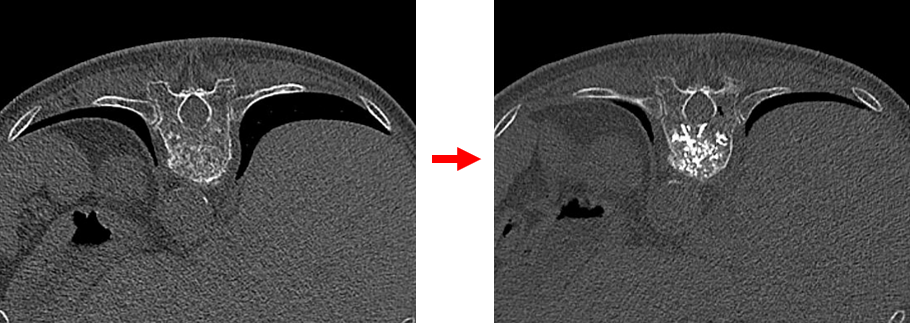
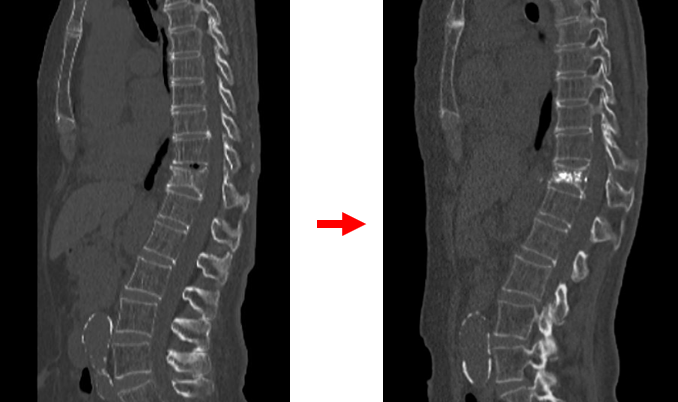
(Right) VAS = 0
Immediately after treatment, the patient’s VAS pain score improved, and the pain disappeared even when washing the face—this patient was able to return to mountain climbing, a favorite hobby.
This procedure is usually performed with a hospital stay, but at our clinic we perform it on an outpatient, same-day basis as a general rule, safely and without discomfort.
For more details, please contact our clinic.
Pain of Visceral Origin
- Pain caused by pancreatic cancer or abdominal tumors
- Chronic abdominal pain
CT-guided splanchnic nerve block controls severe pain
Improving Other Symptoms with IVR
- Discomfort from ascites → Peritoneovenous shunt
- Vascular, airway, or gastrointestinal stenosis → Stent treatment
Improves not only pain but overall quality of life (QOL)
Features of Our Clinic
“Direct Treatment” of the Cause of Pain
Many treatments aim to “suppress pain,” but
IVR
“approaches the cause of pain itself”
.
Pain Relief as an Extension of Cancer IVR
At our clinic,
- IVR treatment for the tumor
- IVR treatment for pain
are considered as one, making it possible to provide treatment and symptom relief at the same time.
A Treatment Strategy That Can Be Repeated
- IV medications are no longer effective
- Recurrence after radiation therapy
- Surgical treatment is difficult
Even in such cases, IVR is a treatment that can be applied repeatedly.
Treatment Examples
Severe Pain Caused by Bone Metastases
RFA + embolization → shrinks the tumor while relieving pain
Improvement to the point of “regaining mobility” can also be expected
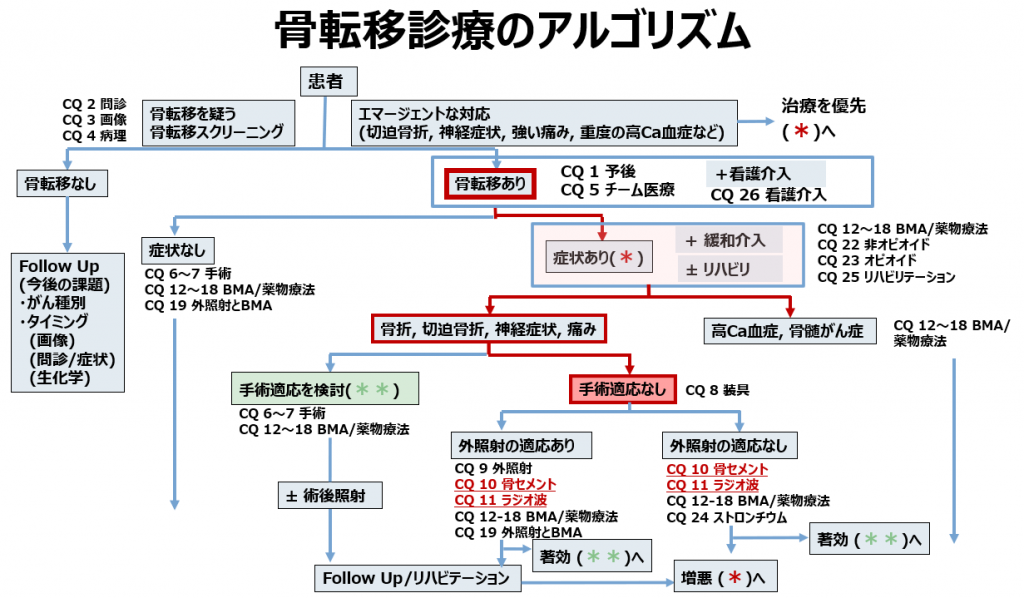
Radiofrequency ablation is included in the algorithm, but in actual clinical practice, it cannot be said that prioritizing radiofrequency ablation has become a widely established approach.
Being aware of this situation, our clinic offers effective IVR for pain—using not only radiofrequency ablation but also TAE and catheter-based treatments—for patients suffering from pain.
Abdominal Pain Caused by Pancreatic Cancer and Other Conditions
Splanchnic nerve block
Blocks severe pain at its source
Palliative Care with IVR
IVR is
not merely about “prolonging life,” but medicine that enhances quality of life
.
In practice, IVR can achieve:
- Improvement of edema
- Improvement of breathing
- Improvement of appetite
- Reduction of pain
and other goals, aiming to help patients “regain their daily life.”
If you would like more information about palliative IVR, please contact our clinic.
When to Consult Us
- Pain medication is not working
- Want to reduce opioid use
- Struggling with side effects
- Pain remains after radiation therapy
- Palliative care has been suggested
- Have been told “there is nothing more that can be done”
Consultations
Our clinic accepts:
- Referrals from your attending physician
- Second opinions
Both options are available.
As an option for “not having to endure pain,” please feel free to consult with us.


