

Renal Tumor
About Renal Tumors
Renal tumors are conditions that are often discovered incidentally during ultrasound or CT examinations as part of a routine health check-up.
The kidney can develop fluid-filled sac-like structures called renal cysts. Most are benign changes associated with aging and are monitored with watchful waiting, but some lesions require differentiation from malignant tumors.
Among the malignant tumors requiring attention, the most representative is renal cell carcinoma. Differentiating it from angiomyolipoma (AML), which is generally benign, is also important.
In most cases there are few, if any, noticeable symptoms, but the tumor may sometimes be discovered because of:
- Hematuria (blood in the urine)
- Low back pain
- Abdominal discomfort
These and other symptoms can sometimes lead to detection of the tumor.
In addition, renal pelvis cancer and metastatic renal tumors from other organs must also be considered.
Early detection of renal tumors can expand the range of treatment options, which is why regular imaging examinations are important.
At our clinic, we work to achieve early detection through precise imaging diagnosis, combining whole-body MRI (DWIBS), CT, MRI, and ultrasound.
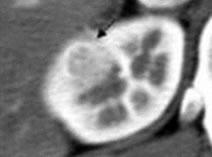
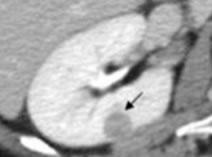
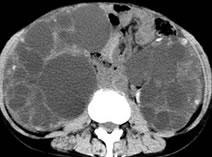
Diagnostic Tests for Renal Cancer
Diagnosis of renal cancer is primarily performed using contrast-enhanced CT and MRI.
This allows us to evaluate:
- Tumor size
- Shape
- Internal structure
- Blood flow pattern (enhancement pattern)
- Positional relationship with surrounding organs
and other factors in detail.
We also comprehensively assess:
- Whether the tumor is benign or malignant
- The tumor's characteristics
- The degree of progression
based on these findings.
When necessary, we add:
- Ultrasound examination
- Blood tests (including renal function evaluation)
- Pathological examination (biopsy)
to reach a final diagnosis.
At our clinic, physicians specializing in diagnostic imaging evaluate the examination results in detail and propose a treatment plan tailored to each individual patient.
Treatment for Renal Cancer
IVR Treatment for Malignant Renal Tumors (Renal Cell Carcinoma / Metastatic Renal Cancer)
The standard treatment for renal cell carcinoma is surgery, and in accordance with clinical guidelines, the treatment plan is determined based on:
- Tumor size
- Extent of disease
- Presence of metastasis
- Overall physical condition
These factors together determine the treatment plan.
In general, treatment options include:
- Radical nephrectomy
- Partial nephrectomy
and in advanced cases, multidisciplinary treatment including drug therapy is provided.
On the other hand, for patients who are:
- Of advanced age
- Living with comorbidities
- At high risk from general anesthesia
- In need of renal function preservation
for such patients, minimally invasive treatment that reduces the burden on the body becomes important.
At our clinic, we actively perform local treatment using IVR (image-guided therapy) for such cases.
IVR may be indicated in the following cases:
- Patients for whom surgery carries a high risk due to advanced age or comorbidities
- Patients who wish to avoid the burden of general anesthesia
- Patients for whom preserving renal function is important
- Patients who prefer a minimally invasive treatment other than surgery
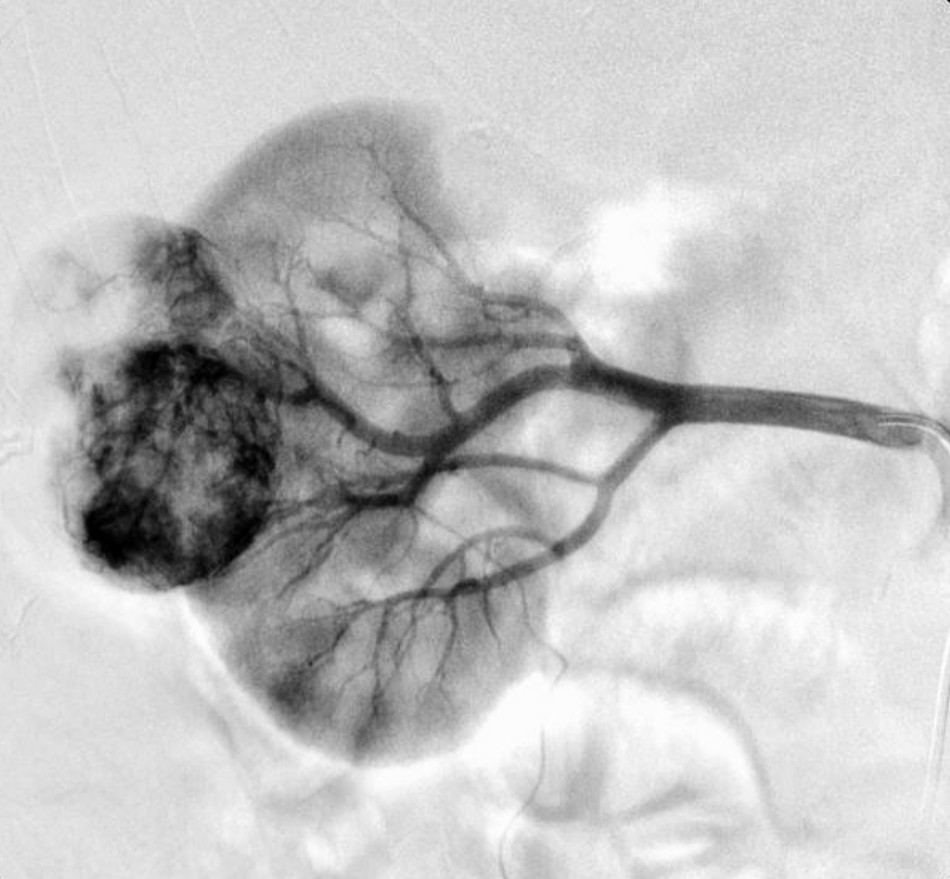
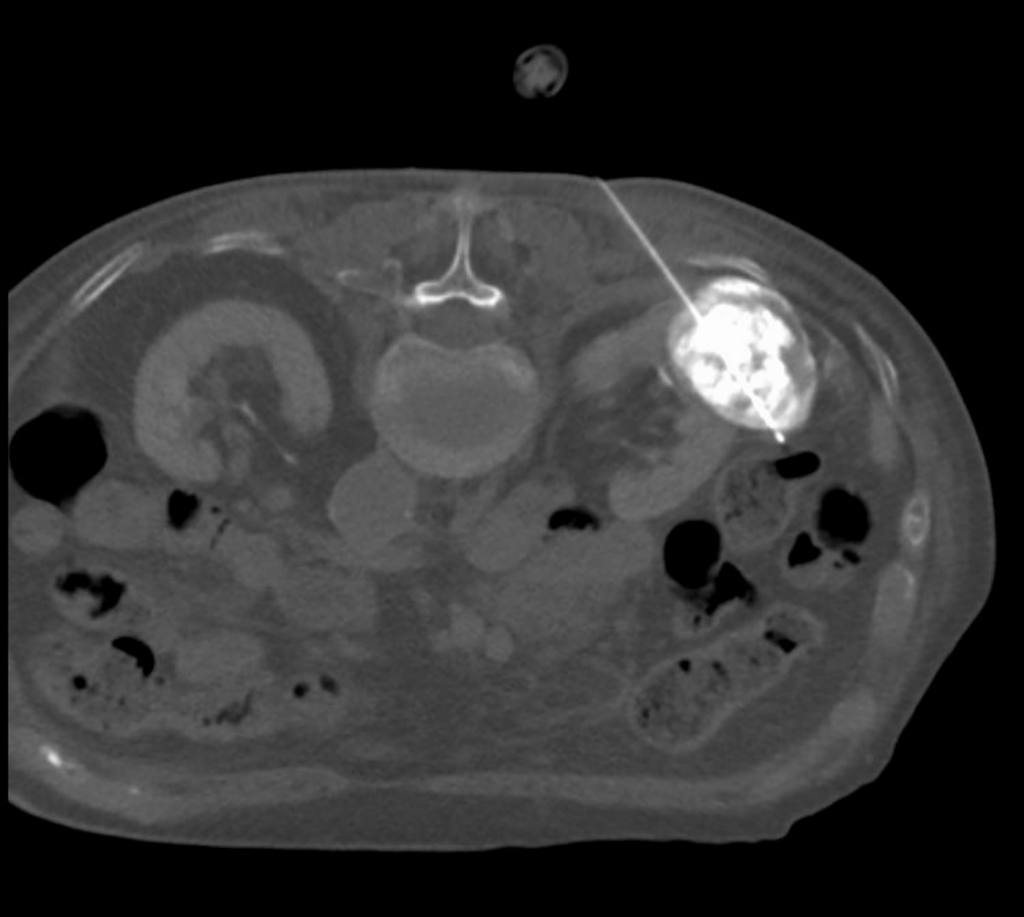
RFA Combined with TAE
At our clinic, we perform IVR treatment that combines:
- Radiofrequency ablation (RFA)
- Transcatheter arterial embolization (TAE)
as a single treatment approach.
RFA is a treatment in which a needle is inserted into the tumor and the lesion is ablated using heat.
Furthermore, combining this with TAE
- Control of blood flow to the tumor
- Improved heat efficiency
- Enhanced local control
is expected to provide these benefits.
At our clinic, we carefully plan treatment strategies by appropriately combining these approaches according to the tumor's location and size and the patient's overall condition.
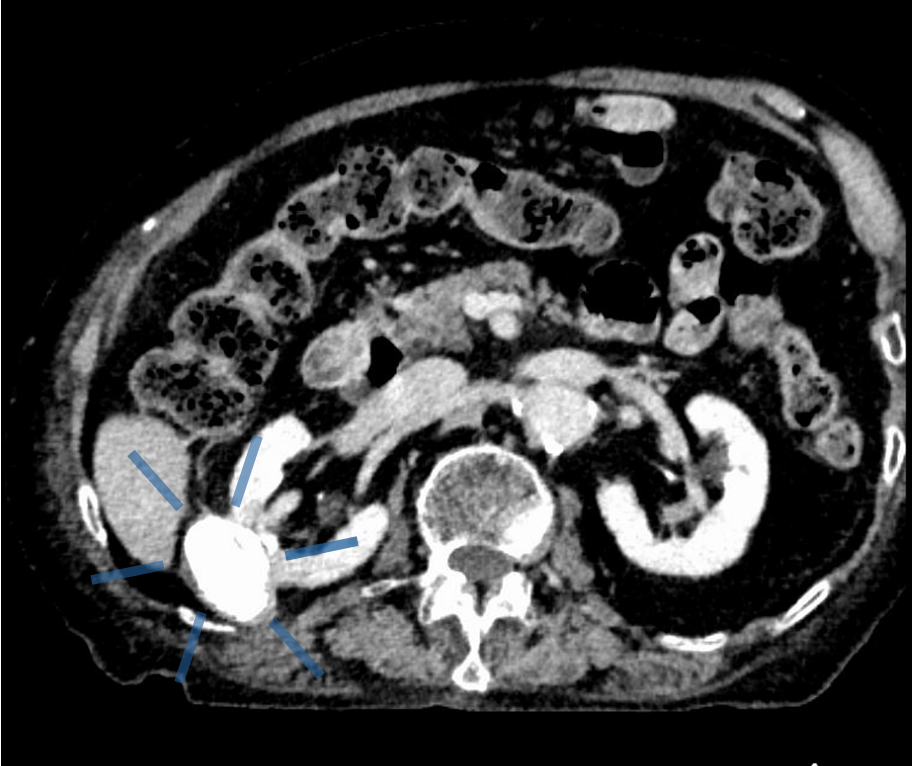
In addition, IVR treatments such as TAE and RFA may also be effective options for adrenal tumors adjacent to the kidney.
This is particularly true for:
- Cases where surgical invasiveness should be minimized
- Cases requiring special consideration for overall condition
in which minimally invasive IVR treatment may play an important role.
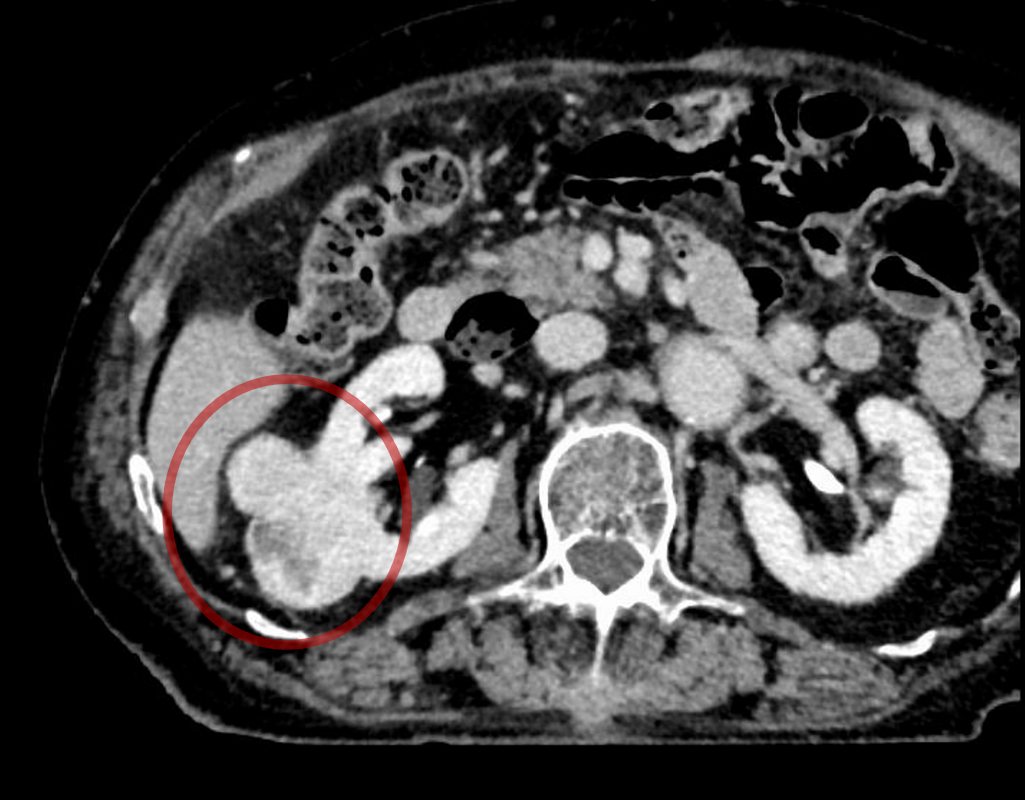
About Multiple Renal Cysts and Liver Cysts
What Are Multiple Renal Cysts and Liver Cysts?
Fluid-filled sac-like structures that form in the kidneys or liver are called cysts.
Solitary cysts are commonly seen with aging and are generally asymptomatic, typically managed with watchful waiting.
On the other hand, when numerous cysts are present—known as multiple cysts—the following may occur:
- Organ enlargement
- Abdominal bloating
- Symptoms of compression
- Pain
among other symptoms.
In particular, polycystic kidney disease (PKD) may be accompanied by a decline in renal function and requires careful management.
General Treatment
Treatment for multiple renal cysts and liver cysts is determined based on the presence and severity of symptoms.
| When asymptomatic | When symptomatic |
| Watchful waiting | Cyst puncture and drainage Sclerotherapy (e.g., ethanol) Surgical treatment (e.g., fenestration) |
However, with multiple cysts, the following challenges arise:
- Numerous cysts are present
- Recurrence is common
- Surgical invasiveness is significant
which make treatment more difficult.
For this reason, minimally invasive treatment that can address multiple lesions while minimizing the burden on the body becomes important.
Our Clinic's Treatment for Multiple Renal Cysts and Liver Cysts
Renal cysts are often asymptomatic and managed with watchful waiting, but liver cysts can cause symptoms as they increase in size.
At YASUMOTO IVR Clinic, for such cases, we perform
Image-Guided Percutaneous Puncture Drainage (IVR)
as our treatment approach.
In this treatment,
- The position is confirmed using imaging
- A fine needle or catheter is inserted into the cyst
- The fluid contents are drained
through these steps.
When necessary, sclerotherapy (a recurrence-prevention treatment) is combined to help suppress recurrence.
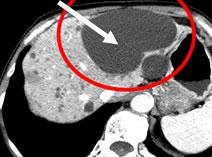
Before treatment (compressing the stomach)
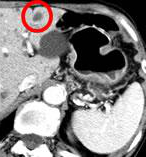
6 months after treatment
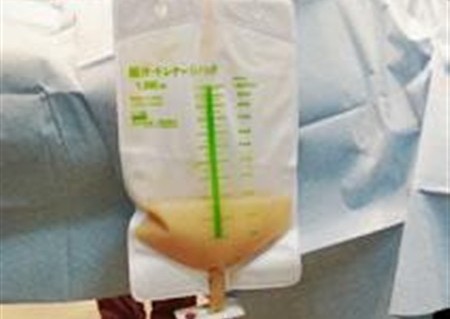
draining the accumulated fluid into a bag
Features of Drainage Treatment
- Only a skin puncture is required (minimally invasive)
- Physical burden is low
- Improvement in abdominal bloating and feelings of pressure can be expected
- Can be performed on a same-day or short-stay inpatient basis
By relieving symptoms caused by the cysts, this treatment is expected to improve quality of life (QOL).
Please Consult Us If You Have Any of the Following
- Patients with abdominal bloating or a feeling of pressure due to multiple liver cysts
- Patients whose cysts are large enough to interfere with daily life
- Patients on renal dialysis who experience severe abdominal bloating that makes eating difficult
- Patients who prefer minimally invasive treatment other than surgery
- Patients who have received treatment at another hospital but whose cysts have not decreased in size
- Patients who are under observation but have ongoing symptoms and feel anxious
At YASUMOTO IVR Clinic, our IVR specialists propose treatments tailored to each patient's condition based on diagnostic imaging.
Please feel free to contact us with any questions.


