
Lung Tumors
About Lung Tumors
Lung tumors are broadly classified into two types: primary lung tumors, which arise from the lungs or bronchi, and metastatic lung tumors, in which cancer from other organs travels to the lungs and grows there.
Among these, malignant tumors (commonly known as lung cancer) and metastatic lung tumors are characterized by faster growth than normal tissue. They expand while destroying the surrounding tissue, and can also spread to sites outside the lungs through the bloodstream or lymphatic system.
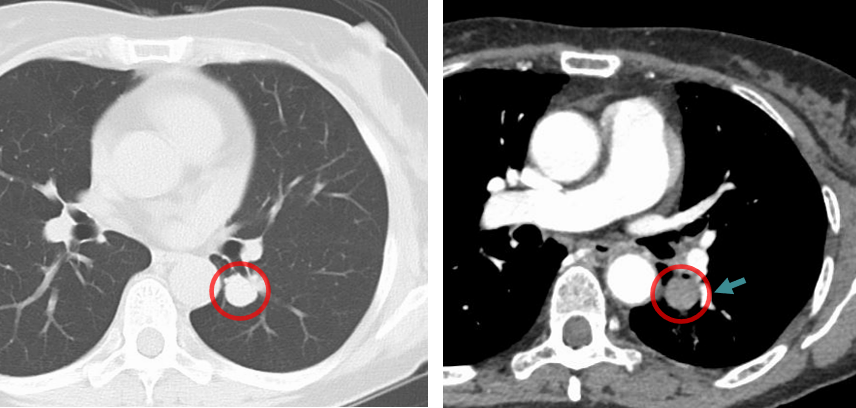
Diagnostic Tests for Lung Cancer
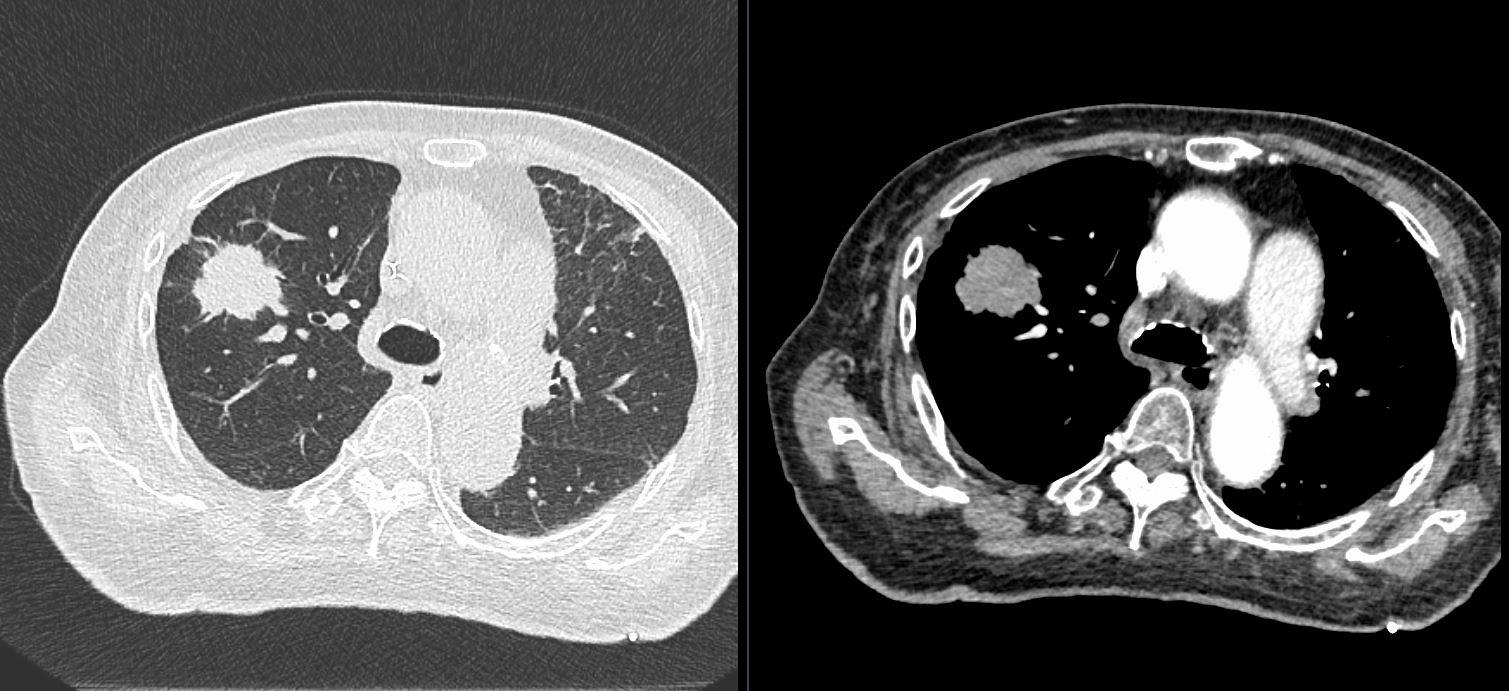
When lung cancer is suspected, a CT scan is first performed to check the shape and size of the lesion. If the likelihood of cancer is judged to be high, the following tests are generally performed to confirm the diagnosis.
- Blood tests (tumor markers, etc.)
- Cytology and histology: sputum tests, bronchoscopic (camera) examinations, and other procedures.
However, when the cancer is very small, or depending on where it has developed, it may not be possible to collect enough cells. In such cases, we perform a CT-guided lung biopsy, in which a fine needle is used to collect cells directly while the exact location is confirmed on CT, leading to a more accurate diagnosis. If you are having difficulty obtaining a diagnosis, please feel free to contact us.
[ Radiofrequency Ablation (RFA) for Lung Cancer ]
Radiofrequency ablation (RFA) for lung cancer is currently performed at only a very limited number of facilities in Japan. At our clinic, based on extensive evidence, we actively perform RFA under CT fluoroscopy with a six-screen display.
Under local anesthesia, the fine electrode needle is inserted precisely while real-time images are monitored, allowing accurate treatment that is unaffected by respiratory movement of the target area.
We treat not only primary lung cancer but also a wide range of metastatic lung cancers originating from other organs. Our highly experienced specialists provide careful counseling and advanced treatment tailored to each individual patient.
In particular, lung metastases from colorectal cancer, especially rectal cancer, may show a limited response to radiation therapy, and recurrence after treatment can occur. For this reason, selecting RFA in certain cases is considered to offer better local control.
In addition, lung RFA has relatively little impact on respiratory function, and repeated treatments are possible even for multiple lesions. Furthermore, the changes caused by the treatment are usually confined to the local area, with relatively little effect on the body as a whole. RFA is thus an effective treatment option selected according to each case, and it can also be combined with other therapies.
Course of RFA for Lung Metastases
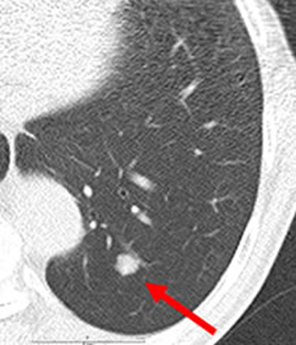
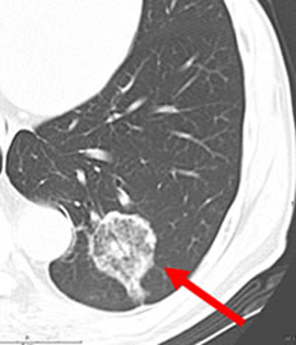
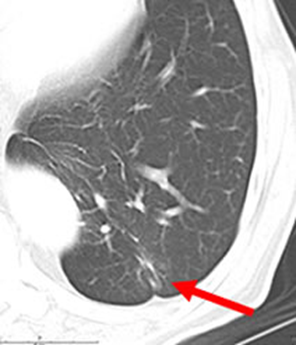
Course of RFA for a Large Primary Lung Cancer
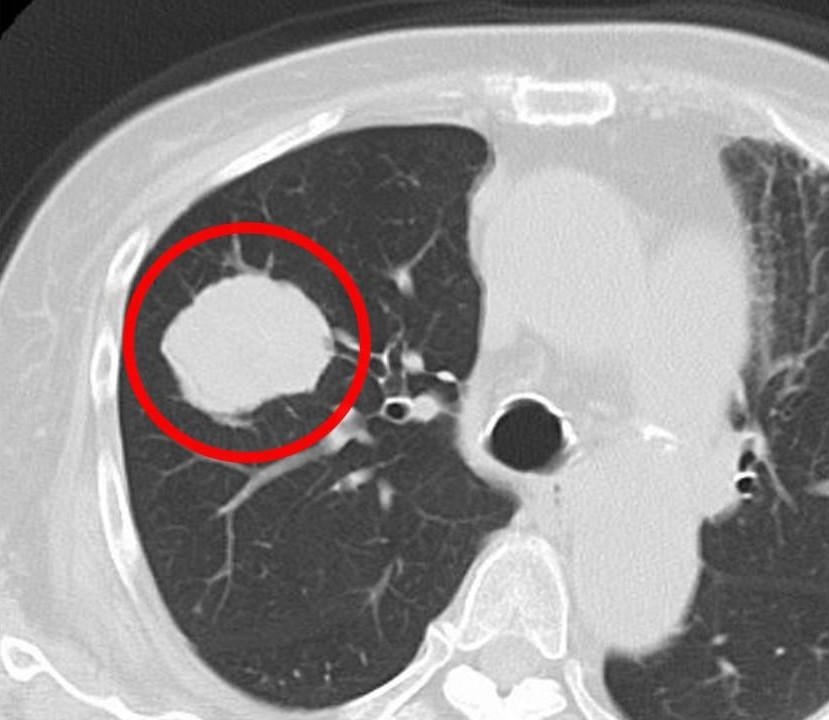
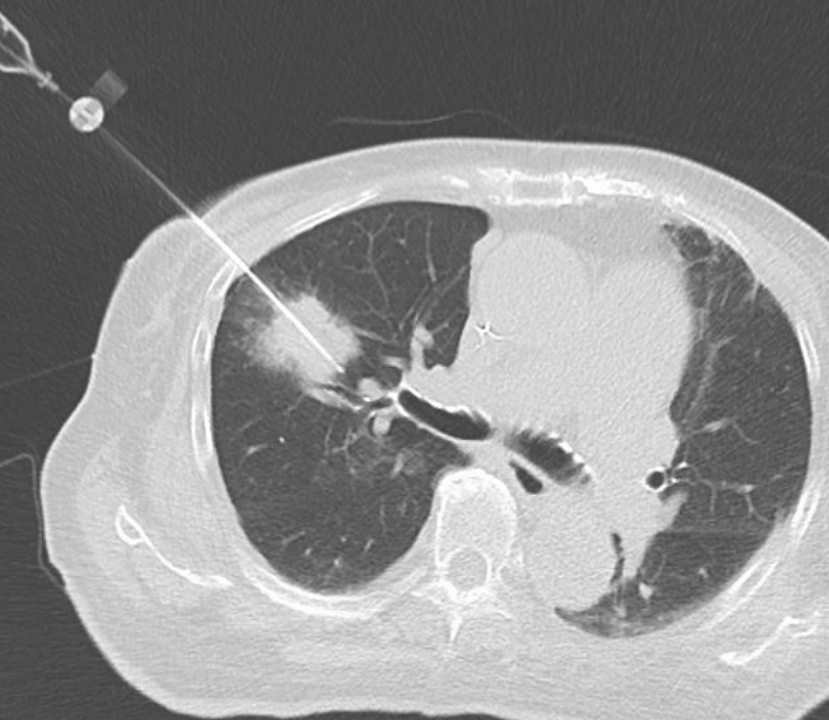
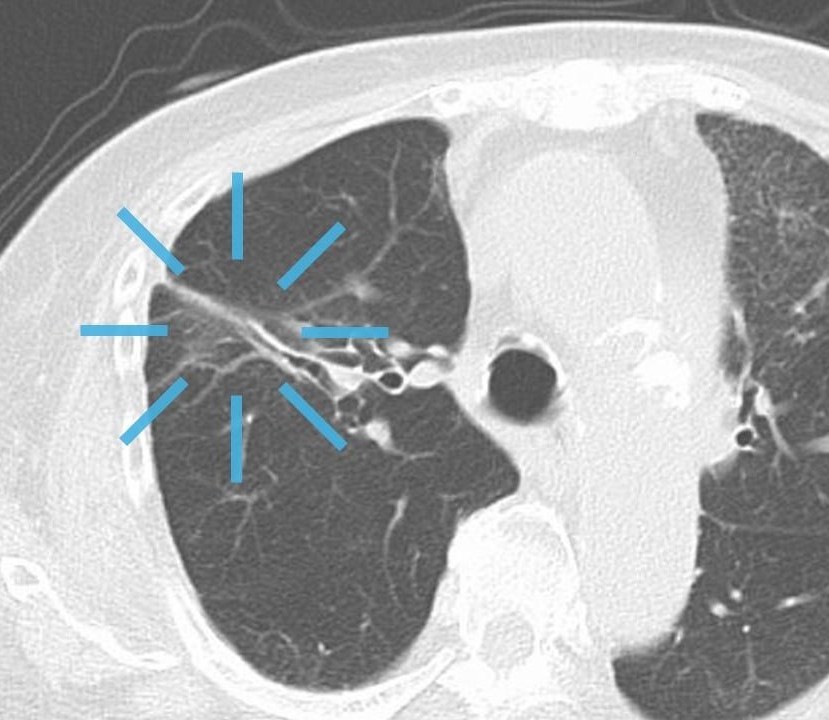
(Reference)
Taku Yasumoto., et al. Innovative techniques for image-guided percutaneous puncture: Navigating complex cases for successful outcomes Interventional Radiology, 9(3): 99-111, 2024.
Treatment Eligibility
Our Clinic's Individualized Assessment
At our clinic, we do not automatically rule out treatment based solely on tumor size (larger than 3 cm) or number (more than 3). Even in cases with numerous metastases or large tumors, we assess eligibility by considering how effective the treatment is likely to be and weighing this against the risks. (For reference, the following conditions are generally regarded as the standard indications.)
- Primary lung cancer: a single lesion of 3 cm or smaller, with no metastasis to other organs
- Metastatic lung cancer: lung lesions of 2.5 cm or smaller, up to 3 in number
Example of Treatment for Multiple Lung Metastases
Two years after surgery for rectal cancer (two metastases in the right lung and one in the left lung)
* One year after the initial surgery, the patient underwent surgery for liver metastasis, followed by 4th-line chemotherapy
→ All three lesions have been cured.
Treatment Outcomes
Below are the treatment data (clinical outcomes) of the cases our physician has performed to date.
1. Primary Lung Cancer (data from up to 1,000 cumulative cases, 2002–2026)
| Endpoint | 1 year | 2 years | 3 years |
|---|---|---|---|
| Local control rate | 89% | 84% | 83% |
| Survival rate | 92% | 83% | 75% |
2. Metastatic Lung Cancer (data from up to 2,000 cumulative cases, 2006–2026)
* The results below are for lung metastases from colorectal cancer, the most common type of case we treat.
| Endpoint | 1 year | 2 years | 3 years |
|---|---|---|---|
| Local control rate | 88% | 82% | 79% |
| Survival rate | 95% | 64% | 59% |
Broad Range of Indications
In addition to colorectal cancer, we treat lung metastases from virtually every organ in the body, including breast cancer, stomach cancer, sarcoma, liver cancer, prostate cancer, kidney cancer, bladder cancer, and uterine cancer.
Commitment to Research
The long-term efficacy of RFA for metastatic lung cancer is still being investigated. At our clinic, we consider the eligibility for and effectiveness of other treatments as well, and determine the appropriate treatment strategy for each individual case. We also work closely with public institutions such as university hospitals and with Meiwa Hospital, a nearby general hospital, incorporating the latest findings through multicenter collaborative research.
Complications
While we take the utmost care to ensure the safety of treatment, the main potential complications include the following.
Pneumothorax
This is a condition in which air leaks from the membrane surrounding the lung (the pleura), causing the lung to collapse. It occurs in approximately 20–30% of cases overall, and is reported to occur somewhat more frequently in patients with emphysema or chronic obstructive pulmonary disease.
Management
Most cases resolve spontaneously, but in the roughly 10% of cases that are more severe, a thin tube is inserted into the chest to remove the air (chest drainage).
Inpatient Care
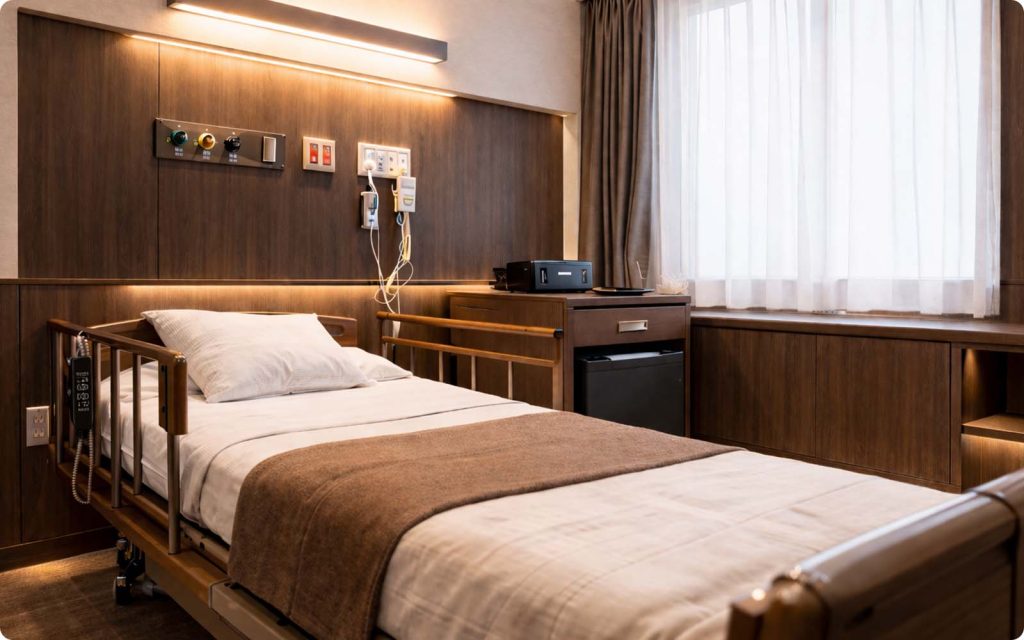
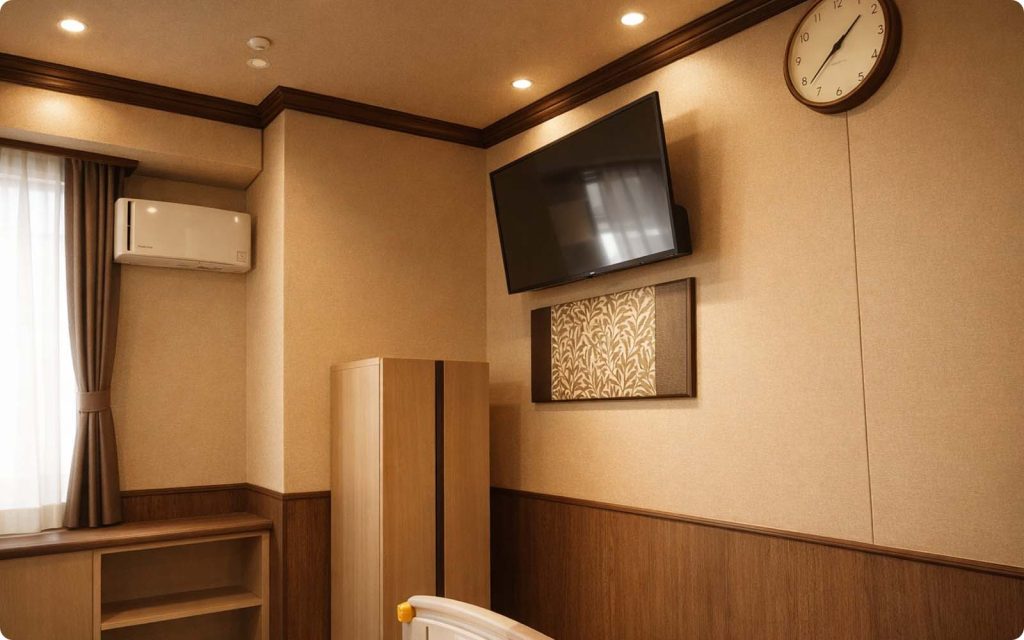
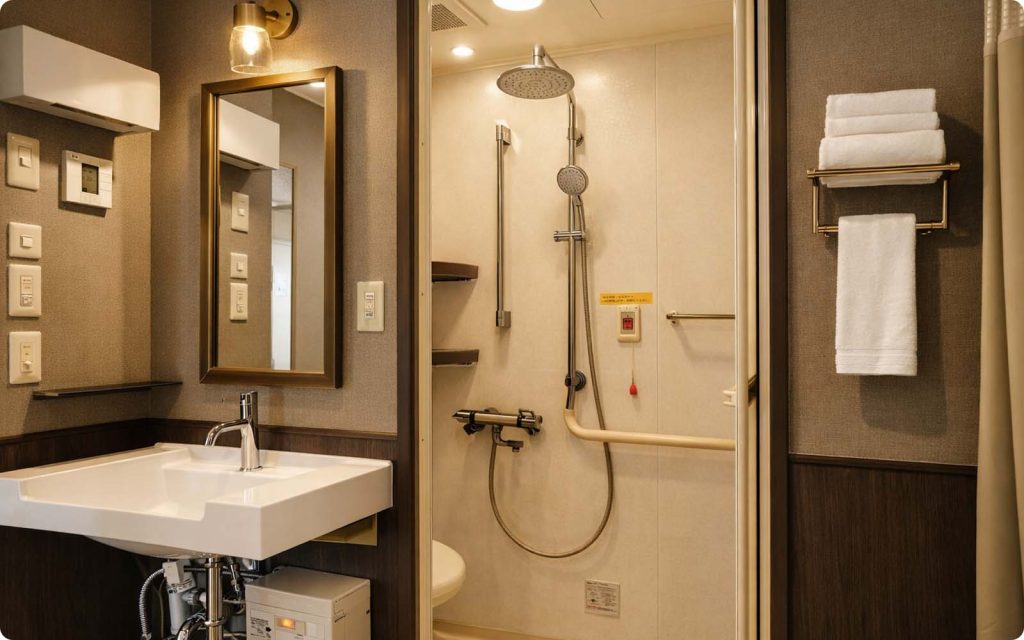
RFA for lung cancer is performed on a same-day (outpatient) basis in principle, but depending on your condition after the procedure and your preferences, inpatient care is available at our affiliated hospitals.
In particular, we work closely with Meiwa Hospital, which also provides inpatient care after treatment.